





Blog

Exterior of an elegant historic building located in the Beaufort, SC historic district

Top Six Places To Visit In Beaufort's Historic District

Vaden of Beaufort, South Carolina, calls all history buffs to take a self-guided tour through Beaufort’s Historic District. Established in 1711, Beaufort is the second oldest town in South Carolina. In 1969, the National Register of Historic Places designated the district a National Historic Landmark and extended its period of significance to 1950. If you’re excited about exploring museums, church ruins, historic buildings dating as far back as the late 1700s, and restored learning centers, Beaufort Historic District is the town for you. Take a stroll with Vaden of Beaufort, and explore our guide of the six places to see in and around Beaufort, South Carolina. The Arsenal At Beaufort History Museum Built in 1798 to house the Beaufort Volunteer Artillery, The Arsenal at Beaufort History Museum is the fifth-oldest unit in the United States. After the Civil War, this significant historic building hosted social events and military ceremonies. Builders constructed the original structure in 1798 using tabby covered with tiles and a surrounding tabby wall. Laborers composed tabby of lime from burned oyster shells mixed with sand, water, ash, and assorted shells. Today, visitors can enjoy this majestic symbol of Beaufort’s history. Location: 713 Craven St., Beaufort. Hours: 10 a.m. to 4 p.m. Tuesday through Friday and 10 a.m. to 3 p.m. on Saturday. Penn Center Penn Center is a 50-acre historic district comprising 25 buildings and structures on the beautiful St. Helena Island, South Carolina. It’s proud to have earned the Trip Advisor Certificate of Excellence. The Penn School National Historic Landmark District is the first school in South Carolina for formerly enslaved people of West Africa. Discover this most notable African American institution with its glimmering marshes, moss-draped oak trees, and captivating beaches at St. Helena Island in a self-guided or reserved tour. We recommend casual clothing, comfortable shoes, and a hat. Schedule a guided tour that includes a historical overview of the Penn School and the Gullah Geechee people, followed by a documentary viewing and question-and-answer session. Walk-in attendees are welcome to join scheduled tours as availability permits. Location: 16 Penn Center Circle E., St. Helena Island. Hours: 9 a.m. to 4 p.m. daily. Old Sheldon Church Ruins A testament to Beaufort Historic District’s storied past is the beauty and splendor of Prince William’s Parish Church, known today as the Old Sheldon Church Ruins. The church held its first service in 1757, and historians say it was the first conscious attempt in America to imitate a Greek temple. The National Register of Historic Places listed these sacred grounds on October 2, 1970. The church is an important historic landmark that dates back to before the Revolutionary War. The British burned Prince William’s Parish Church in 1779 during the war, but tradesmen rebuilt the church in 1826. Whether you’re an admirer of American history or simply looking for a riveting way to spend a few hours, don’t leave a visit to the Old Sheldon Church Ruins out of your next trip to Beaufort. The ruins are open to visitors all year round. Location: Old Sheldon Church Road, Yemassee. Hours: 24 hours daily. The Fort Fremont History Center The Fort Fremont History Center is located on lovely St. Helena Island in an area known as Land’s End. Although it was constructed as a fort during the Spanish American War, soldiers never fired a single shot from it. Congress authorized the building of Fort Fremont under the Harbor Fortification Act of 1898. Soldiers made no threats or call-to-arms, as the war was short, and the Spanish never made it to St. Helena or Port Royal Sound. The military deactivated Fort Fremont as a military installation in 1921 and placed it on the secretary of war’s list of obsolete properties. The National Register of Historic Places listed Fort Fremont as part of the Historic Resources of St. Helena Island. Beautiful, mysterious, and lying along the water, Fort Fremont’s grounds and battery are open to the public. If you visit just before sunset, the photo opportunities are incredible. Location: 1124 State Road S-7-45, off Land’s End Road, St. Helena Island. Hours: 10 a.m. to 2 p.m. on Fridays and 11 a.m. to 4 p.m. on Saturdays. The Chapel Of Ease Chapel of Ease is a beautiful relic on St. Helena Island. During the colonial period, rice and cotton planters constructed chapels of ease as houses of worship because their plantations were far away from the churches in Beaufort. The Anglican Church constructed this chapel between 1742 and 1747. Union troops came ashore in 1861, and a messenger interrupted the Sunday services to bring news of an impending invasion. A fire destroyed most of it in 1886, and the church never regained its stature. It still stands as a reminder of an extraordinary era. Picturesque and serene, this historic structure still has a white glow, and all that remains are its tabby ruins and an adjacent cemetery. Location: St. Helena Island. Hours: 24 hours daily. Beaufort National Cemetery Beaufort National Cemetery, where over 19,000 lie at rest, is one of six national cemeteries established in 1863 for Union soldiers and sailors who died in the region. Landscapers designed a unique layout in the shape of a half wheel with roads forming spokes from the entrance. A brick wall defines the property, and you can find four commemorative monuments on the cemetery’s grounds. They’re Eliza McGuffin Potter, a woman who cared for soldiers in Beaufort’s military hospitals, a memorial to Confederate soldiers, and two granite blocks affixed with bronze plaques recognizing African American Union soldiers. Location: 1601 Boundary St., Beaufort. Hours: 8 a.m. to sunset daily. Make the most of your self-guided tour to the Beaufort Historic District, South Carolina, by visiting all six historical sights. What are some of your most treasured spots around Beaufort? Drop us a line and let us know, and we may add your suggestion to our history buff’s guide. Add excitement to your tour by viewing Vaden of Beaufort’s new vehicle inventory or certified pre-owned vehicles. Our team is ready to help you tour Beaufort in your dream vehicle. An Empty Driveway by Rachel Claire is licensed with Pexels License

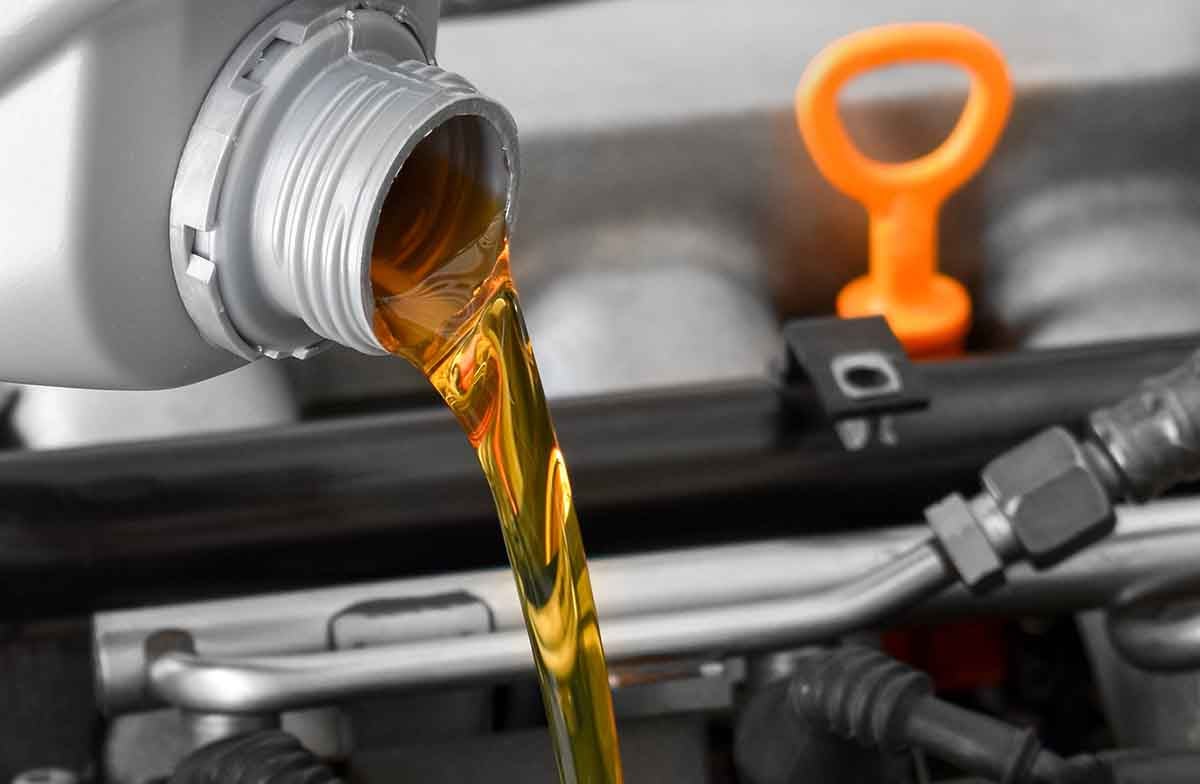
A mechanic pouring oil into a vehicle during a routine oil change service

Why Are Routine Oil Changes Important?

A person's vehicle is one of their most important possessions. Taking care of scheduled oil changes as required by the vehicle's maintenance schedule can make the difference between a short-lived vehicle and one that will last many years. Below we'll cover everything drivers need to know about oil changes and their related subjects so you’ll learn how to get the job done right every time. The Critical Importance Of Oil Change Maintenance While every driver knows that internal combustion engines run on gas, they need a few other essential things to operate correctly over time. The piston action of an internal combustion engine generates a great deal of friction and associated heat. Motor oil helps reduce the friction and heat generated by the operating process of the machine by lubricating the moving parts and many of the surfaces they make frequent contact with. This lubrication extends engine life spans considerably. Going without an oil change for extended periods causes the oil already in the engine to become more and more abrasive through the accumulation of dirt, metal, and other particle types. This degradation of oil quality and purity will eventually directly wear down engine components, meaning they'll need to be replaced more often. In short, repeatedly skipping the oil changes in a vehicle's maintenance schedule won't just cost drivers an engine flush and new oil. It can easily cost them the prices of new cylinder heads, camshafts, pistons, oil pumps, crankcases, camshaft bearings, valve lifters, and every other part oil touches within the engine block's housing. It could even ruin the engine block if oil flushing and replacement aren't done for long enough. The Advantages And Disadvantages Of Each Motor Oil Type Three primary types of motor oil are rated for use in civilian internal combustion vehicles and hybrid gas engine components: natural, synthetic, and a natural-synthetic mix. While each has a specific period of use, advantages, and disadvantages, drivers shouldn't choose an oil type based on those factors alone. Every car owner’s manual lists the best type, viscosity rating, and standard operating temperature thickness rating. These ratings are expressed in number, W, dash, and number format. For instance, 10W-40 motor oil is viscous and thicker during regular engine operation than 5W-30 motor oil. Now that we've covered the basics let’s detail each primary type of motor oil. All-Natural Motor Oil Natural motor oil is the variety that most drivers are used to using, especially if they've been driving for decades. It is the most affordable motor oil, so it bites less into driver's wallets over time. The standard rule for natural oil has been to change it entirely every 3,000 miles, but recent advances in automotive technology and engine oil refinement have extended that period considerably. At this point, engines that use natural motor oil should have that oil replaced every 3,000 to 9,000 miles, as dictated by the owner's manual for the vehicle. If the engine in your vehicle isn't the same as the one it started with, go with the oil instructions for the new engine, not the ones in the user manual. Fully Synthetic Motor Oil Entirely synthetic motor oil is made through more advanced chemical processes that generate a fluid more resistant to engine heat and friction. This oil tends to be best for engine cores that see heavy use or put out a great deal of horsepower and torque. Large sport utility vehicles, massive pickup trucks, and beastly fast sport vehicles benefit from the properties of fully synthetic oil the most. Still, most new and used cars from recent years can use it too. Ensure that your engine can handle synthetic if you have a car, truck, or SUV with a classic engine. Some classic setups do not handle synthetic oil well. Fully synthetic oil can last from 7,500 to 15,000 miles, depending on the brand, vehicle, and frequency of heavy-duty or high-speed engine use. The harder an engine is pushed, the more frequently its oil should be changed. Natural And Synthetic Mix Motor Oil Also known as synthetic blend motor oil, natural and synthetic mix oils are better for heavy-duty use than natural but more affordable than fully synthetic. It is particularly good at reducing friction and increasing heat from engines that see heavy-duty use from a torque angle. This oil's increased resistance to oxidization makes it great for vehicles that regularly tow large boats, trailers, or campers and often haul heavy payloads. Synthetic blend motor oil should be changed every 7,500 miles or so. How To Know When An Oil Change Is Required While a car owner’s manual contains the relevant information related to the frequency of required oil changes, other signs may show before those points reveal a need for an earlier oil change. Knocking sounds from the engine, active oil warning lights, heavier-than-usual exhaust smoke, heavy vibrations when idling, and inconsistent oil consistency are just a few of those signs. If you pull out your oil stick and it shows a low level, it may only need topping off, but go ahead with a total change if the scheduled time is near. Benefits Of Oil Changes From Vaden Of Beaufort You can be sure you're getting top-quality service when you drive into Vaden of Beaufort to have your valued vehicle taken care of. It is easy to schedule maintenance with Vaden. Our thoroughly trained and professional maintenance crew knows how to change the oil of every vehicle type we offer and many more. They can also readily identify other issues during the oil change that drivers without extensive maintenance training might miss. When you come in to see us, we'll treat you like family and your vehicle like one of our own, taking the greatest care to ensure it is running at its best. Oil changes don't have to be complicated or overly time-consuming operations. Our service pros will have your vehicle in, taken care of, and out in short order. Vaden of Beaufort is at your service when your vehicle needs a helping hand. "Pouring Oil to Engine" by Daniel Andraski is free to use under the Pexels License

Contact Us

Fill out this form below and we'll contact you shortly
*Required Fields